
 Fast & Efficient Delivery, learn more
 Expert Advice, we’re here to help
 All Major Cards Accepted
Parts Bins Guide: How to Choose the Right Small Parts Storage System
Small components are much easier to manage when the storage system matches how they are actually used. The right solution depends mainly on what you are storing, how much you need to hold, how frequently it is accessed and where it needs to be used.
3JC sees parts bins used for everything from nuts, bolts and assembly-line components to storeroom products, crafting supplies and medical consumables. One of the most common mistakes customers make is simply underestimating the bin size they need.
There is also rarely one universal solution. Stackable bins, louvre-panel systems, shelf bins, drawer storage and fixed or mobile racks each suit different jobs.
Quick Summary: Which bin should I use, and when?
Stackable Parts Bins
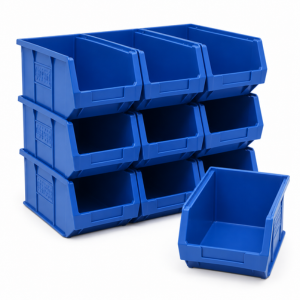
Best for: Nuts, bolts, fixings and other frequently accessed small components.
Use when: You need straightforward storage with good visibility and quick access from a bench, shelf or storage area.
see: Plastic Parts Bins Size 3 (XL3)
Louvre-Panel Bins
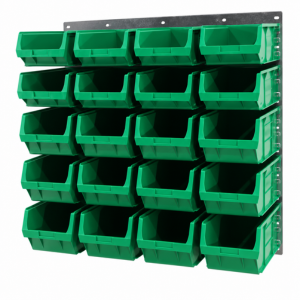
Best for: Assembly areas, maintenance benches and fixed workstations.
Use when: Frequently used components need to remain visible and close to the user without occupying valuable bench space.
see: Parts Bin & Louvre Panel Set 19
Shelf Bins
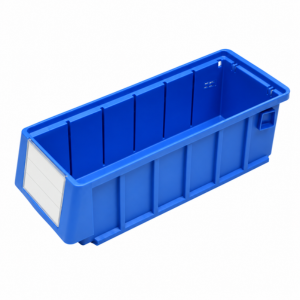
Best for: Storerooms, warehouse shelving and reserve stock.
Use when: You want to organise components efficiently within existing shelving, particularly where greater storage depth or internal separation is useful.
see: Plastic Parts Shelf Bins TK3109
Drawer Storage
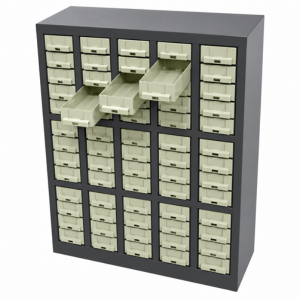
Best for: Very small components or larger numbers of different item types.
Use when: Greater separation and more enclosed storage are more important than instant open access.
see: Storr Steel Drawer Parts Storage Unit
Fixed Bin Racks
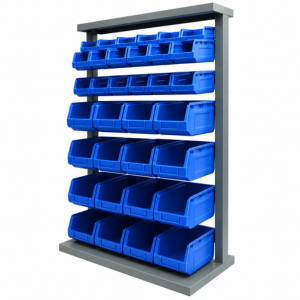
Best for: Permanent parts storage within one work or storage area.
Use when: The same stock is accessed repeatedly from a fixed location and needs a clearly organised home.
see: Heavy Duty Parts Bin Stand, 34 Bin
Mobile Bin Racks
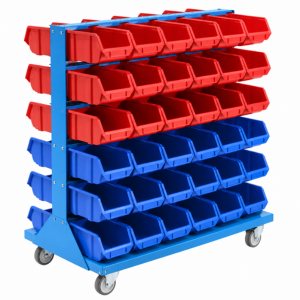
Best for: Production, maintenance and workshop environments.
Use when: Parts need to move between workstations or jobs rather than employees repeatedly travelling back to a fixed storage point.
see: Mobile Parts Bin Trolley with 72 Bins
What are parts bins used for?
Parts bins are designed to keep smaller items separated, visible and easier to retrieve.
Typical examples include nuts, bolts, fixings and engineering components, but 3JC sees them used much more broadly. Customers also use them for assembly-line components, products kept in storerooms, crafting supplies and medical consumables.
It’s not about “Which bin looks right?” but rather “What do I need this storage system to do?”
3JC’s wider parts storage solutions include bins, panels, racks and other formats that can be combined depending on the application.
Start with the right bin size
According to 3JC, underestimating bin size is one of the most common mistakes customers make. A bin should not simply accommodate the physical dimensions of the item. Think about the quantity normally held, how easily someone needs to reach into it and whether stock levels are likely to increase.
A container that technically fits today’s stock but is constantly overflowing is unlikely to be the right long-term choice.
Different components may also justify different bin sizes rather than one uniform arrangement.
When do stackable and louvre-panel bins work best?
Open-front bins are particularly useful where parts need to be seen and picked frequently. They can be stacked on suitable surfaces, while louvre panels and accessories allow compatible bins to be positioned vertically.
That can work particularly well around assembly areas and maintenance benches because frequently used components remain visible and within reach while work surfaces stay clearer.
When should you consider shelf bins?
Shelf bins are better suited to shelving-based storage. They can be useful where larger quantities or reserve stock are kept in a warehouse or storeroom. Some designs can also accept internal dividers, making it possible to separate several smaller product types within the available space.
They are therefore worth considering where storage density matters more than having every component immediately beside a workstation.
When is drawer storage useful?
Drawers can work well for particularly small components or where many different item types need to remain separated.
The trade-off is accessibility. An open bin provides immediate visibility, while a drawer has to be opened first.
That additional separation may nevertheless be valuable for specialist or less frequently accessed stock.
Fixed or mobile parts storage?
Where parts are always used in one location, a fixed bin rack or louvre-panel system may be simplest.
Where stock needs to follow maintenance work, production processes or changing workstations, a mobile system may be more useful.
The HSE guidance on avoiding hazardous manual handling also recommends considering workplace layout and handling methods when planning how materials move around a working environment.
Think about identification too
Storage should make stock easier to recognise as well as contain. Labels can support identification and replenishment, while different bin colours can help distinguish product groups or departments where that is useful.
How do you choose the right parts storage system?
Will Ruff at 3JC recommends starting with three fundamental considerations:
- What are you storing?
- How much are you storing?
- How frequently is it accessed?
From there, consider where the stock needs to be used and whether it should remain fixed or move with the work and there is often more than one workable answer. A workshop might combine louvre-panel bins for frequently used fixings, shelf bins for reserve stock and drawers for specialist components.
If you are unsure which arrangement suits your workplace, talk to the 3JC team about what you need to store and how it will be used.
Frequently Asked Questions
What are parts bins best used for?
They are useful for organising smaller items such as fixings, nuts, bolts, components and spares that need to remain separated and accessible.
Are parts bins stackable?
Many plastic parts bins are designed to stack. Compatible designs can also be mounted on louvre panels.
Are shelf bins the same as louvre-panel bins?
No. Shelf bins are primarily designed for shelving, while louvre-compatible bins hang from suitable panels.
How do I choose the correct bin size?
Consider the item dimensions, quantity normally held, ease of access and whether stock levels may increase. Avoid choosing a bin that only just accommodates current stock.